PPL Meaning In Text: Definition, Context, Examples, and Modern Usage (2026 Guide)
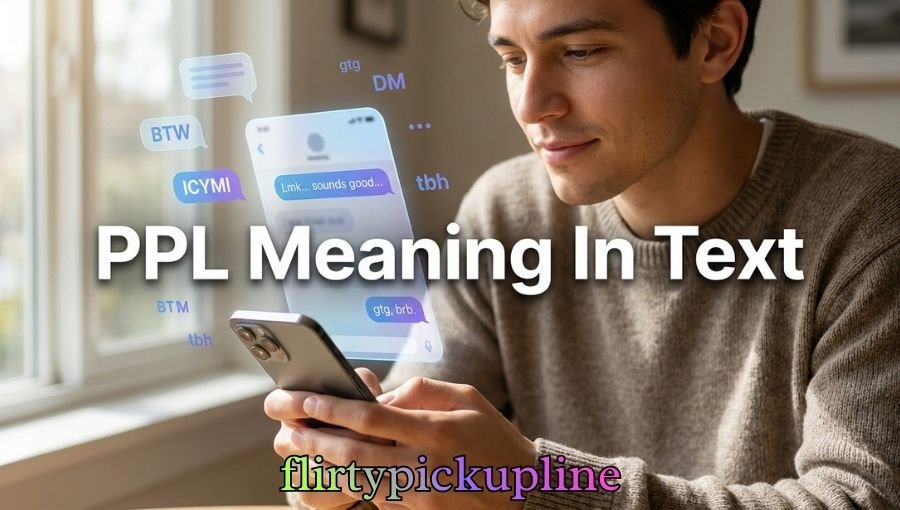
You’re texting a friend about weekend plans when they reply, “Are any ppl coming?” You understand the sentence, but then you pause: What does PPL mean in text? This guide explains PPL meaning in text, including how the abbreviation is used in texting, social media, DMs, captions, and online chats.
In most casual conversations, PPL means “people.” It’s a shortened form commonly used in text messages, social media comments, DMs, captions, and online chats. It’s quick, informal, and easy to understand when the surrounding sentence provides enough context.
The abbreviation has become especially common because digital conversations favor speed and short messages. Younger users often type abbreviations without thinking twice, while someone unfamiliar with texting slang may need to look it up.
One small detail matters: capitalization usually doesn’t change the meaning. “ppl,” “PPL,” and sometimes “Ppl” can all mean people in casual communication.
However, abbreviations can have other meanings in specialized settings. A workplace document, aviation conversation, or technical discussion may use “PPL” for something entirely different.
So, before assuming what it means, look at the sentence around it. Here’s a simple guide to help you interpret it correctly.
Quick Answer / Quick Definition of “PPL Meaning In Text”

PPL usually means “people” in texting, messaging, and social media. It is an informal abbreviation used to make messages shorter and faster, such as “ppl are waiting” instead of “people are waiting.” The meaning is generally neutral and depends on the surrounding conversation.
Also Read This: YK Meaning in Text
Detailed Meaning Breakdown
Primary Meaning
The most common meaning of PPL meaning in text is simply “people.”
For example:
“Do ppl still go there?”
means:
“Do people still go there?”
Likewise, “Some ppl don’t understand” means “Some people don’t understand.”
The abbreviation removes several letters while keeping the sentence easy to recognize. In casual typing, that saves a little time without changing the basic message.
One thing I notice with texting abbreviations is that familiarity matters more than strict grammar. If both people regularly use casual online language, “ppl” feels completely normal.
Secondary Meanings
In ordinary online conversation, “people” is by far the interpretation you’re most likely to need.
However, PPL can be an acronym for unrelated terms outside casual texting. Depending on the subject, it may refer to a private pilot license, a company name, a professional organization, or a specialized technical term.
That doesn’t mean every “PPL” has multiple meanings. Context decides.
If someone writes, “PPL are invited,” the meaning is obvious. If you’re reading a professional document that repeatedly uses “PPL” as a formal abbreviation, don’t automatically interpret it as “people.”
Rare or Misinterpreted Meanings
Some readers assume PPL might mean “please,” but “pls” or “plz” are much more recognizable abbreviations for that word.
Others may confuse PPL with “peeps,” “persons,” or another casual term. Those words can communicate a similar idea, but they aren’t direct expansions of PPL.
The safest approach is simple: read the entire sentence before assigning a meaning.
What “PPL Meaning In Text” Means in Different Contexts
In Texting and Messaging
In everyday texting, “ppl” is a quick substitute for “people.” It’s particularly common in short questions, group conversations, and casual updates.
Examples include:
“How many ppl are coming?”
“Ppl keep asking me that.”
“I don’t like when ppl do that.”
The tone is normally relaxed rather than disrespectful. A friend using “ppl” isn’t necessarily trying to sound young or trendy; they may simply be typing quickly.
On Social Media Platforms
On Instagram, Snapchat, TikTok, and Threads, PPL meaning in text usually remains “people,” but the tone can vary with the platform.
On Instagram, it may appear in comments or captions: “Why do ppl love this song?”
On Snapchat, it often appears in fast messages: “Are ppl already there?”
On TikTok, a creator might write, “Ppl in the comments are wild.”
On Threads, it can appear in conversational posts such as, “Why do ppl care so much?”
I find the difference is usually about communication style, not meaning. The platform changes the setting, while the abbreviation stays straightforward.
In Dating and Relationships
In romantic conversations, “ppl” still normally means people. There isn’t a special romantic definition.
For example:
“Do ppl know we’re dating?”
means “Do people know we’re dating?”
Another message might say:
“I don’t usually trust ppl that quickly.”
Here, the abbreviation has nothing specifically romantic about it.
The emotional meaning comes from the rest of the message, not from PPL itself.
In Professional Communication
You may occasionally see “PPL” in workplace chats, especially in informal team messaging. Even then, writing “people” is usually clearer in emails, reports, proposals, and client-facing communication.
For example, “A lot of ppl joined the meeting” may be understandable in an internal chat but looks overly casual in a formal report.
My practical rule is simple: if the message represents your company or professional judgment, spell out the word.
Cultural or Regional Differences
“Ppl” is widely recognizable in English-language internet communication, particularly among people accustomed to texting and social media.
Age can make a bigger difference than geography. Someone who spends a lot of time online may recognize it immediately, while another reader may find it unfamiliar.
The meaning generally doesn’t change between U.S. and other English-speaking online communities. The level of familiarity does.
Tone, Psychology & Why People Use It
Why People Use It & What It Signals Socially
People use abbreviations because they’re convenient. “Ppl” is faster and visually shorter than “people,” especially on a phone.
It can also signal an informal relationship. A friend saying “ppl are coming” sounds conversational, while “people are coming” can feel slightly more polished.
Still, don’t overread it. Using PPL doesn’t automatically signal a particular personality, age, mood, or attitude.
Emotional Layer Behind It
The abbreviation itself is generally neutral.
Friendly:
“Ppl were so nice at the party!”
Neutral:
“How many ppl are going?”
Cold or annoyed:
“Some ppl never listen.”
Notice that the emotional difference comes from the surrounding words. PPL isn’t inherently positive or negative.
10 Real Conversation Examples (Explained)
- Message: “Are ppl coming tonight?”
Meaning: Is anyone else coming tonight?
Tone: Casual.
Interpretation: A straightforward question about attendance. - Message: “Ppl loved your video.”
Meaning: People liked your video.
Tone: Positive.
Interpretation: The sender is giving you encouragement. - Message: “Why do ppl do this?”
Meaning: Why do people behave this way?
Tone: Frustrated or puzzled.
Interpretation: The sender is reacting to someone’s behavior. - Message: “Some ppl are already outside.”
Meaning: Some people have arrived.
Tone: Informative.
Interpretation: The sender is giving you a quick status update. - Message: “I hate when ppl spoil movies.”
Meaning: The sender dislikes movie spoilers.
Tone: Annoyed.
Interpretation: It’s a complaint, not a personal attack. - Message: “Ppl at work keep asking about you.”
Meaning: Coworkers keep asking about you.
Tone: Neutral or curious.
Interpretation: Context determines whether this is gossip, concern, or simple conversation. - Message: “Do ppl still use that app?”
Meaning: Is that app still popular or active?
Tone: Curious.
Interpretation: The sender wants an opinion about current usage. - Message: “Ppl can be so unpredictable.”
Meaning: Human behavior can be difficult to predict.
Tone: Reflective.
Interpretation: This is a broad observation rather than a specific complaint. - Message: “Tell ppl we’re leaving at six.”
Meaning: Tell everyone involved that the departure time is six.
Tone: Direct.
Interpretation: It’s a practical instruction. - Message: “Some ppl really make my day.”
Meaning: Certain people make the sender happy.
Tone: Warm.
Interpretation: Depending on the conversation, it could be a general compliment or a subtle reference to someone special.
Where Misunderstandings Happen
Context Confusion
The biggest mistake is assuming every abbreviation has one universal definition. PPL meaning in text is usually “people,” but the same letters can represent specialized terms elsewhere.
Read the surrounding words before deciding.
Generational Gap
Frequent texters may instantly understand “ppl,” while less frequent users may prefer fully spelled words.
Neither style is inherently better. They’re simply different communication habits.
Platform Differences
A short abbreviation may feel natural in a TikTok comment or Snapchat message but look out of place in a formal LinkedIn post, business email, or customer response.
The audience matters as much as the platform.
Similar Words, Symbols, or Abbreviations
| Term | Meaning | How It Differs from PPL |
|---|---|---|
| People | Human beings | Full, standard word |
| Pls | Please | Abbreviates a different word |
| Plz | Please | More informal version of “pls” |
| Peeps | People/friends | Slang rather than an abbreviation |
| Folks | People | Casual full word |
| U | You | Represents a different pronoun |
| BTW | By the way | Introduces an aside |
| FYI | For your information | Provides information or context |
| IMO | In my opinion | Signals a personal viewpoint |
When Not to Use “PPL Meaning In Text”
Professional Risks
Avoid “ppl” in formal reports, resumes, academic writing, contracts, customer emails, and important business communication.
Spelling out people takes only a moment and removes unnecessary ambiguity.
Cultural Risks
There isn’t a major cultural problem with the abbreviation itself, but unfamiliar readers may not understand it.
If your audience includes people from different language backgrounds, clearer wording is often the better choice.
Tone Risks
Using “ppl” in a serious apology, sensitive announcement, or formal complaint can make the message feel too casual.
For important conversations, clarity should win over typing speed.
Expert Tips for Using “PPL Meaning In Text” Correctly
- Use ppl when chatting casually with people who understand common texting abbreviations.
- Spell out people in formal or public-facing writing.
- Read the whole sentence before assuming what an acronym means.
- Don’t assume PPL has a romantic meaning just because a date or partner uses it.
- Check whether the conversation is about a specialized subject.
- Match the other person’s communication style without forcing slang.
- Remember that capitalization usually doesn’t matter in casual use.
- Don’t interpret the abbreviation itself as an emotional signal.
- If you’re confused, ask, “What do you mean by PPL here?”
- Prefer clarity when the message could affect work, money, relationships, or important decisions.
Frequently Asked Questions
What does PPL mean in texting?
In texting, PPL usually means “people.” It’s an informal abbreviation used to shorten messages. For example, “Are ppl coming?” simply means “Are people coming?” The abbreviation is common in casual chats, social media, and online conversations, but it’s generally better to spell out “people” in formal writing.
Is PPL positive or negative?
PPL has no built-in positive or negative meaning. Its emotional tone depends on the surrounding words. “Ppl loved your post” sounds positive, while “Some ppl are annoying” sounds negative. The abbreviation itself is neutral and mainly communicates “people” in a shorter form.
Can PPL have a romantic meaning?
Not by itself. In a dating conversation, PPL still normally means people. Romance comes from the rest of the sentence and the relationship between the speakers. If someone texts, “Do ppl know about us?” they’re referring to other people knowing about the relationship, not using PPL as a romantic code.
How should I respond when someone says PPL?
You don’t need a special response to PPL. Simply interpret it as “people” when the context supports that meaning and answer the actual question. For example, if someone asks, “How many ppl are coming?” you could reply, “Probably around ten.” There’s no need to comment on the abbreviation.
Does PPL mean people on Instagram?
Yes, in ordinary Instagram captions, comments, DMs, and Stories, PPL commonly means “people.” For example, “Ppl in the comments are hilarious” means “People in the comments are hilarious.” Instagram doesn’t give the abbreviation a special platform-specific definition.
Is PPL rude to use?
Generally, no. It’s a casual abbreviation, not an insult or rude expression. However, context can make it feel inappropriate. Using “ppl” in a formal business letter may appear careless, while using it with friends usually feels perfectly normal.
What is the difference between PPL and peeps?
Both can refer to people, but they’re formed differently. PPL is an abbreviation, while “peeps” is informal slang. “Ppl” is usually neutral and efficient; “peeps” can sound more playful, friendly, or deliberately casual.
Does PPL mean anything else?
Yes. Outside texting, PPL can be an acronym for unrelated terms in fields such as aviation, business, or technical subjects. Context is therefore essential. If you’re reading a specialized document, don’t automatically translate PPL as “people.” Look at how the term is used throughout the material.
Final Summary & Smart Usage Advice
The simplest answer to PPL meaning in text is “people.” It’s a common shorthand used in casual texting, DMs, comments, captions, and other informal online conversations.
You might see “ppl” in a question, complaint, compliment, joke, or everyday update. Its basic definition stays the same, while the emotional meaning comes from the words surrounding it.
For example, “Ppl are coming” is neutral, while “Ppl loved it” is positive. “Some ppl never listen” sounds frustrated. The abbreviation isn’t responsible for those emotions; the context is.
Use it when you’re having a relaxed conversation with an audience that understands texting shorthand. Avoid it when you’re writing something formal, professional, sensitive, or potentially confusing.
Also remember that PPL can have completely different meanings in specialized contexts. If the surrounding conversation doesn’t clearly concern ordinary people, pause before making an assumption.
You don’t need to memorize dozens of slang rules. Just read the sentence, consider the audience, and use the most natural interpretation.
The takeaway: In casual messages, PPL almost always means “people”—but context tells you how to understand the message around it.

Hi, I’m Liam Carter. I work at FlirtyPickUpLine.com, creating easy-to-read articles about slang, texting terms, and their meanings. I like explaining modern language in a simple way.