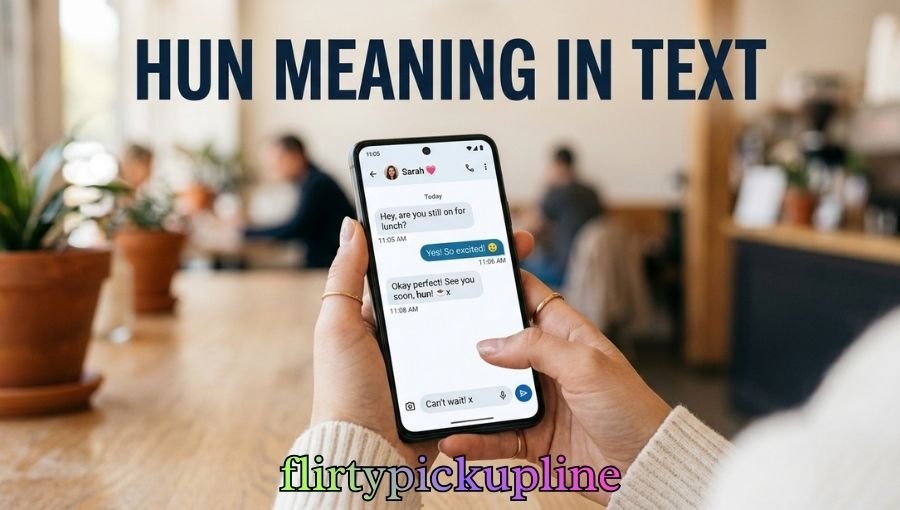
Hun Meaning in Text: Definition, Context, Examples, and Modern Usage (2026 Guide)
Imagine checking your phone after a long day and seeing a message that simply says, “You okay, hun?” At first, it feels sweet. But then you wonder: Is this person being affectionate, friendly, sarcastic, or just casual? That small word can carry more meaning than it appears to. When people search for Hun Meaning in Text, they’re usually trying to understand the tone behind a short message.
The word often appears in texting, DMs, social media comments, dating conversations, and casual chats. Its meaning depends heavily on who says it, how they say it, and what comes before or after it.
The term has also become more visible as casual online communication has grown. People use short forms of familiar words to make messages feel warmer and more conversational. At the same time, age, culture, and personal communication style can change how a recipient interprets the word.
So, is “hun” romantic? Is it positive? Can it sound rude? The answers aren’t always simple.
Let’s break down the meaning, tone, examples, and situations where this little word works well—or doesn’t.
Quick Answer / Quick Definition of “Hun Meaning in Text”

Hun in a text usually means “honey” or another friendly term of endearment. It can express affection, warmth, friendliness, reassurance, or casual familiarity. Depending on the relationship and tone, it may be romantic, completely platonic, or simply conversational. In short, context determines what “hun” really means.
Also Read This: HYDD Meaning in Text
Detailed Meaning Breakdown
Primary Meaning
The most common modern use of “hun” is a shortened form of “honey.” It’s often used as a term of affection or friendliness.
For example:
“Thanks for helping me, hun!”
Here, the sender probably wants to sound warm and appreciative. They aren’t necessarily expressing romantic interest. A friend, relative, coworker, or romantic partner could potentially use the word.
This is why Hun Meaning in Text can’t be reduced to one fixed definition. The relationship between the people matters.
In casual American English, people sometimes use “hun” much like “hon,” “honey,” “dear,” or “sweetie.” Some people use it naturally with almost everyone. Others reserve it for close friends or partners.
One useful clue is the surrounding language. “Good morning, hun ❤️” carries a different feeling from “Hun, you forgot your keys.”
The first sounds affectionate. The second may simply be familiar and practical.
Secondary Meanings
“Hun” can also signal comfort or reassurance.
Someone might write:
“Don’t worry, hun. You’ll get through this.”
In this case, the sender is trying to provide emotional support. The word creates a softer opening before the reassuring statement.
It can also be used conversationally when someone wants to get another person’s attention:
“Hun, can you send me that address?”
There may be no romantic meaning at all.
Another possibility is that “hun” is simply a person’s habitual speech pattern. Some people use terms such as “hun,” “hon,” or “dear” frequently because that’s how they communicate.
I’ve noticed that these small terms often reveal more about communication style than about relationship status. A person who calls everyone “hun” may mean something very different from someone who uses it only with one special person.
Rare or Misinterpreted Meanings
Not every use of “hun” is affectionate.
Tone can change the meaning dramatically. Consider:
“Sure, hun.”
Depending on the conversation, that could be warm, dismissive, passive-aggressive, or sarcastic.
There’s also a completely different meaning outside casual messaging. Hun can refer to a member of the ancient Hunnic people, a historical group associated with Attila the Hun and late antiquity. That meaning is unrelated to the common texting abbreviation.
Another potential source of confusion is spelling. Some people write “hon” rather than “hun,” while others use “honey” in full. These forms can serve essentially the same conversational purpose.
Therefore, don’t assume that every occurrence has a romantic meaning.
What “Hun Meaning in Text” Means in Different Contexts
In Texting and Messaging
In ordinary texts, “hun” is most often a casual term of endearment.
For example:
“Hey hun, did you make it home safely?”
The message sounds caring and familiar. The sender may be a close friend, family member, or romantic partner.
Another example:
“Hun, I think you left your bag here.”
This is much more practical. The sender isn’t necessarily flirting. They’re simply using a familiar form of address.
Texting also removes many vocal clues. You can’t hear someone’s voice or see their facial expression. That’s one reason people sometimes overanalyze a single word.
Look at the whole message, not just the nickname.
If someone writes:
“Thank you so much, hun! You seriously saved me today.”
the overall message strongly suggests appreciation.
If they write:
“Okay, hun. Whatever you say.”
the same word may feel sarcastic.
On Social Media Platforms
On Instagram, “hun” can appear in comments, captions, Stories, and DMs.
A friend might comment:
“You look amazing, hun!”
That’s generally a friendly compliment.
On Snapchat, the word may appear in quick, informal conversations:
“Hun, send me that pic 😂”
The tone is casual and familiar.
TikTok has another common pattern: people may use “hun” when replying to strangers or followers. For example:
“Hun, you need to watch part two.”
Here, it’s conversational rather than romantic.
Threads can have a slightly more discussion-oriented use. Someone might write:
“Hun, I understand your point, but I don’t agree.”
That could be friendly—or mildly patronizing—depending on the rest of the exchange.
The platform itself doesn’t determine the meaning. Audience and context do.
In Dating and Relationships
In romantic conversations, “hun” can certainly be affectionate.
A partner might say:
“Sleep well, hun. I’ll call you tomorrow.”
In that setting, the word may function much like “babe,” “honey,” or “love.”
However, don’t automatically treat it as proof of romantic interest.
Someone you’re dating may use it naturally, while another person may use “hun” with friends, coworkers, and relatives. A single term isn’t enough evidence to determine someone’s feelings.
If you’re wondering about Hun Meaning in Text from a romantic interest, pay attention to the broader pattern: how often they contact you, whether they initiate conversations, what other affectionate language they use, and whether their behavior matches their words.
The surrounding behavior is usually more informative than the nickname alone.
In Professional Communication
This is where caution helps.
A close colleague might casually write:
“Thanks, hun!”
But in a formal workplace, “hun” can sound overly familiar.
For example, an email to a client saying:
“Hun, I’ve attached the revised proposal.”
would usually be inappropriate in a professional setting.
The problem isn’t that the word is inherently offensive. It’s that professional communication often requires clear boundaries and neutral language.
There can also be gender-related concerns. Some recipients may appreciate the warmth, while others may feel that a diminutive term is patronizing or too personal.
When in doubt, use the person’s name or a neutral greeting.
Cultural or Regional Differences
The social meaning of “hun” varies across communities and regions.
In some places and social groups, terms such as “hun,” “hon,” “dear,” and “love” are ordinary parts of everyday speech. They’re used without any romantic intention.
In other communities, the same word may sound unusually intimate.
Age also plays a role. Someone accustomed to hearing older relatives use “hun” casually may interpret it as harmless. Another person may associate it primarily with romantic relationships or online interactions.
There’s also a distinction between hun and Hon in spelling. Both may represent the spoken word “honey,” and personal preference often determines which spelling someone chooses.
Tone, Psychology & Why People Use It
Why People Use It & What It Signals Socially
People use affectionate terms because names alone can feel formal.
Compare:
“Thanks.”
with:
“Thanks, hun!”
The second message usually feels warmer.
“Hun” can create a sense of closeness, familiarity, reassurance, or friendliness. It can soften a request, make gratitude feel more personal, or show emotional support.
It can also be habitual. Some people use terms of endearment almost automatically.
There’s an interesting psychological detail here: short messages often depend on emotional cues. Adding a familiar nickname can help communicate an intended mood when body language and voice are missing.
Still, warmth isn’t guaranteed.
Emotional Layer Behind It
The emotional tone can fall into several broad categories.
Friendly:
“Hun, that color looks great on you!”
This sounds supportive and upbeat.
Comforting:
“It’s okay, hun. Don’t beat yourself up.”
The word reinforces emotional reassurance.
Romantic:
“Miss you, hun ❤️”
The heart and surrounding message make the affectionate meaning stronger.
Neutral:
“Hun, what time are we meeting?”
Here, it may simply be a familiar way to address someone.
Cold or sarcastic:
“Whatever you say, hun.”
The punctuation and surrounding disagreement can make the term feel condescending.
This is why Hun Meaning in Text depends so strongly on emotional context.
10 Real Conversation Examples (Explained)
1. “Good morning, hun!”
Intended meaning: A warm greeting.
Emotional tone: Friendly or affectionate.
Likely interpretation: The sender feels comfortable with you, but the message alone doesn’t prove romance.
2. “Are you okay, hun?”
Intended meaning: The sender is checking on your well-being.
Emotional tone: Caring and concerned.
Likely interpretation: They want to show emotional support.
3. “Thanks for picking me up, hun.”
Intended meaning: Appreciation for a favor.
Emotional tone: Warm and grateful.
Likely interpretation: The sender has enough familiarity to use an affectionate nickname.
4. “Hun, your appointment is at 3.”
Intended meaning: A reminder.
Emotional tone: Casual and familiar.
Likely interpretation: The word is probably just part of the sender’s normal communication style.
5. “You looked beautiful tonight, hun.”
Intended meaning: A personal compliment.
Emotional tone: Affectionate and potentially romantic.
Likely interpretation: In a dating conversation, the romantic reading becomes more likely.
6. “Hun, please don’t start this again.”
Intended meaning: The sender wants to stop an argument or repeated issue.
Emotional tone: Frustrated.
Likely interpretation: The nickname doesn’t make the overall message friendly. Context controls the tone.
7. “You got this, hun!”
Intended meaning: Encouragement before a difficult event.
Emotional tone: Supportive and upbeat.
Likely interpretation: The sender is trying to boost your confidence.
8. “Okay, hun 😂”
Intended meaning: Could be playful agreement or light teasing.
Emotional tone: Depends heavily on the previous messages.
Likely interpretation: The laughing emoji makes a joking interpretation more plausible.
9. “Thanks, hun. I really needed that.”
Intended meaning: Genuine gratitude and emotional appreciation.
Emotional tone: Sincere and warm.
Likely interpretation: The sender likely feels emotionally comfortable with you.
10. “Sure, hun. If that’s what you want.”
Intended meaning: The sender may disagree while pretending to agree.
Emotional tone: Potentially passive-aggressive.
Likely interpretation: Don’t interpret “hun” as affectionate without considering the rest of the sentence.
Where Misunderstandings Happen
Context Confusion
The biggest problem is reading the word in isolation.
A recipient may see “hun” and immediately think, “They must be flirting.” But the sender could simply use it with everyone.
Likewise, someone might assume the word is sarcastic when it was intended kindly.
The solution is simple: consider the relationship, conversation, punctuation, emojis, and previous messages together.
Generational Gap
Different generations often develop different texting habits.
Someone who grew up hearing “hun” from relatives may view it as completely normal. A younger person who mainly encounters it online may attach a different meaning to it.
Neither interpretation is automatically correct.
Personal communication habits matter more than age alone, but generational differences can explain why two people read the same message differently.
Platform Differences
A term used in a private text may feel more personal than the same word in a public TikTok comment.
On social media, people sometimes use familiar language with strangers because online conversation is informal. In a private relationship, however, the same word may carry more emotional weight.
Always consider where the message appeared and who could see it.
Similar Words, Symbols, or Abbreviations
| Term | Meaning | How It Differs from Hun Meaning in Text |
|---|---|---|
| Hon | Short form of honey | Usually nearly identical in casual use |
| Honey | Term of affection | More complete and sometimes more intimate |
| Dear | Affectionate or polite address | Can sound more formal or old-fashioned |
| Sweetie | Term of endearment | Often sounds warmer or more openly affectionate |
| Babe | Romantic or affectionate nickname | More strongly associated with romantic relationships |
| Love | Term of affection | Regional use can make it either romantic or casual |
| B | Short form of “babe” or “bro,” depending on context | Much more ambiguous and informal |
| ❤️ | Heart symbol | Communicates affection without using a word |
| X | Kiss symbol in some texting styles | Often conveys warmth or affection, depending on culture |
| Bestie | Close-friend nickname | Usually signals friendship rather than romance |
When Not to Use “Hun Meaning in Text”
Professional Risks
Avoid casual terms of endearment when communicating with clients, managers, recruiters, customers, or people you don’t know well.
A neutral “Hi Sarah” is usually safer than “Hey hun.”
Even if your intention is friendly, the recipient may perceive the message as unprofessional or overly familiar.
Cultural Risks
Not everyone interprets affectionate language in the same way.
Some people enjoy casual nicknames. Others strongly prefer being addressed by their name. If you’re communicating across cultures, workplaces, or unfamiliar social groups, neutral wording reduces the chance of confusion.
Tone Risks
The word can accidentally sound patronizing.
This is especially possible when there’s a disagreement:
“Listen, hun, you don’t understand.”
Even if the sender intended to sound reassuring, the recipient may hear superiority or dismissal.
If the conversation is tense, leave the nickname out.
Expert Tips for Using “Hun Meaning in Text” Correctly
- Look at the relationship first. A romantic partner and a stranger won’t necessarily mean the same thing by “hun.”
- Read the entire message. The surrounding words reveal much more than the nickname alone.
- Notice punctuation and emojis. A heart, laughing emoji, or exclamation mark can shift the emotional tone.
- Watch for habitual usage. If someone calls many people “hun,” don’t assume you’re receiving a special romantic signal.
- Use it naturally. Don’t add affectionate language simply because you think it will make a conversation more intimate.
- Be cautious at work. Names and neutral greetings are usually better for professional communication.
- Consider the recipient. If you know someone dislikes pet names, respect that preference.
- Don’t overinterpret one message. Look for consistent communication patterns before drawing conclusions.
- Match the other person’s tone. If they use formal language, suddenly calling them “hun” may feel strange.
- When uncertain, ask. A simple question can clear up more confusion than hours of guessing.
Frequently Asked Questions
1. What does “hun” mean in a text?
“Hun” is commonly a shortened form of “honey” and works as a friendly or affectionate term of address. It can be used by romantic partners, friends, relatives, or even acquaintances. The exact feeling depends on the sender’s usual communication style, the relationship, and the surrounding conversation.
2. Is “hun” positive or negative?
Usually, “hun” is neutral to positive, especially when it appears alongside friendly or supportive language. However, it can become sarcastic or patronizing in an argument. A message such as “You got this, hun!” feels encouraging, while “Whatever you say, hun” may carry irritation.
3. Can “hun” be romantic?
Yes, it can be romantic. A partner may use “hun” as a pet name in the same way they might say “honey” or “love.” However, the word by itself doesn’t establish romantic interest. If a person uses it with many friends, its romantic significance may be minimal.
4. How should I respond when someone calls me “hun”?
Respond according to the relationship and your comfort level. If you like the warmth, you can reply naturally with similar friendliness. If you’re unsure, a normal response without a nickname works perfectly. You don’t have to mirror someone’s language to keep the conversation polite.
5. Is “hun” the same as “honey”?
In many casual messages, yes. “Hun” is commonly used as a shortened, informal version of “honey.” There can be subtle differences in how individual people perceive the two forms, though. “Honey” may sound more deliberate, while “hun” can feel quick, habitual, or conversational.
6. Why would a stranger call me “hun”?
A stranger might use “hun” because it’s part of their normal speaking or writing style. Some communities use affectionate terms casually with people they don’t know well. It doesn’t necessarily indicate flirting or unusual familiarity. If the word feels uncomfortable, you can simply continue the conversation without adopting the same term.
7. Is “hun” different from “hon”?
Usually, there is little practical difference in casual texting. Both spellings can represent a shortened form of “honey.” Personal preference, regional habits, and autocorrect may influence which version someone writes. Neither spelling automatically carries a more romantic meaning than the other.
8. Does “hun” always mean affection?
No. Affection is common, but it isn’t guaranteed. The word can be friendly, habitual, supportive, teasing, or sarcastic. In historical writing, “Hun” can also refer to the Huns, which is entirely unrelated to the modern texting use. Context is what separates these meanings.
Final Summary & Smart Usage Advice
Understanding Hun Meaning in Text is mostly about understanding context rather than the word alone.
In everyday messaging, “hun” usually comes from “honey” and acts as a casual term of endearment. It can make a message feel friendly, caring, supportive, or affectionate. In romantic conversations, it may be a genuine pet name. Between friends, it may simply reflect familiarity.
The tricky part is that the same four letters can also sound sarcastic or patronizing. “Thanks, hun!” and “Whatever you say, hun” can communicate completely different emotions.
Your best clue is the whole conversation. Consider the sender’s usual style, your relationship, the platform, punctuation, emojis, and what was being discussed. Don’t assume romantic interest based on one nickname.
For professional communication, neutral language is generally safer. With unfamiliar people, follow their lead and avoid assuming that everyone enjoys pet names.
Most importantly, don’t overthink a single word. Communication is a pattern.
Memorable takeaway: “Hun” usually means warmth, but context decides whether that warmth is friendly, romantic, or something else.

Hi, I’m Noah Bennett. I work at FlirtyPickUpLine.com, where I cover popular slang, abbreviations, and online expressions. My goal is to give readers clear meanings and useful examples.