What Does a Miscarriage Look Like? (2026 Guide)
Miscarriage is a topic that has been trending heavily online because more people are openly discussing pregnancy loss, early pregnancy symptoms, and reproductive health on Google, TikTok, and health forums. Many people search “what does a miscarriage look like” because they are experiencing unusual symptoms and want clear, honest, and simple information without medical jargon.
A miscarriage is the natural loss of a pregnancy before 20 weeks, most commonly occurring in the first trimester (before 12 weeks). It can look different for every person, depending on how far along the pregnancy is and individual health factors.
⚡ Quick Answer: What Does a Miscarriage Look Like?
A miscarriage often looks like heavy vaginal bleeding with clots, strong cramping, and tissue passing from the vagina, similar to or heavier than a menstrual period. Symptoms vary from mild spotting to intense pain and bleeding.
📚 Understanding What a Miscarriage Looks Like in Different Contexts
Physical Symptoms (Medical Context)
In a medical sense, a miscarriage may involve:
-
Vaginal bleeding (light spotting to heavy bleeding)
-
Blood clots or grayish tissue
-
Lower back pain
-
Abdominal or pelvic cramping
-
Sudden loss of pregnancy symptoms (nausea, breast tenderness)
-
Fever or chills (less common, but serious)
💡 Important: Not all bleeding during pregnancy means miscarriage, but heavy bleeding with pain should always be checked by a doctor.
Also Read This: What Does Vitamin C Do
Early vs. Late Miscarriage Appearance
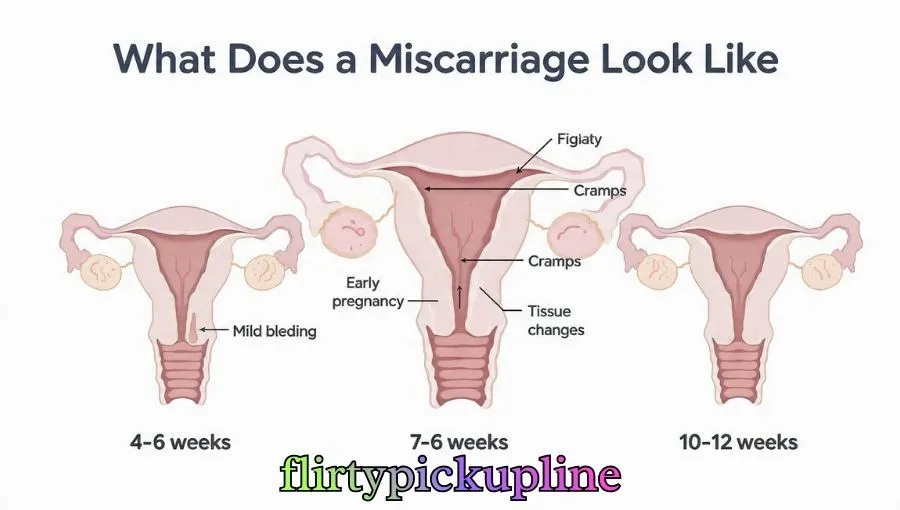
| Pregnancy Stage | What It May Look Like |
|---|---|
| 4–6 weeks | Heavy period, clots, strong cramps |
| 7–9 weeks | Larger clots, gray or pink tissue |
| 10–12 weeks | More visible tissue, intense cramps |
| After 12 weeks | Labor-like pain, identifiable fetal tissue |
Emotional and Mental Experience
A miscarriage doesn’t only have physical signs—it can also look like:
-
Sudden emotional shock or grief
-
Feelings of sadness, guilt, anger, or numbness
-
Mood changes caused by hormonal shifts
This emotional response is completely normal and valid.
Social Media & Online Discussions
On platforms like TikTok, Instagram, and Reddit, people often describe miscarriage using terms like:
-
“Heavier than my worst period”
-
“Clots the size of a lemon”
-
“Severe cramps followed by tissue”
-
“Sudden bleeding and pregnancy symptoms stopped”
⚠️ Keep in mind: online experiences vary and should not replace medical advice.
Spiritual or Symbolic Meaning
In spiritual or symbolic contexts, miscarriage may be viewed as:
-
A transition or interrupted journey
-
A reminder of the fragility of life
-
A period of emotional healing and reflection
These interpretations differ by belief system and culture.
Cultural & Numerology Perspectives
Some cultures see miscarriage as:
-
A natural cycle of life
-
A test of emotional strength
-
A moment for ritual healing or remembrance
There is no universal meaning, and personal interpretation matters most.
🧠 Real-Life Examples & Usage
Example Descriptions
-
“It started like spotting, then turned into heavy bleeding with clots.”
-
“The cramps were stronger than period pain, and I passed tissue.”
-
“After the bleeding, my pregnancy symptoms disappeared.”
How Context Changes Meaning
-
Light spotting may be harmless
-
Heavy bleeding + pain is more concerning
-
No pain + bleeding still requires medical attention
❓ Common Questions (FAQ)
What does a miscarriage really mean?
It means the pregnancy ended naturally before the baby could survive outside the womb.
Is a miscarriage painful?
It can be. Pain ranges from mild cramps to intense labor-like pain, depending on the stage.
Is miscarriage common?
Yes. About 10–20% of known pregnancies end in miscarriage.
Is miscarriage preventable?
Most miscarriages cannot be prevented and are not caused by anything the person did.
What should someone do if they think they’re miscarrying?
Seek immediate medical care, especially with heavy bleeding, severe pain, or fever.
🏁 Conclusion
A miscarriage can look like heavy bleeding, clots, cramping, and tissue passing, but every experience is different. Understanding what it may look like helps people recognize symptoms early and seek care without panic or confusion.

Alex Carter is the creative mind behind flirtypickupline.com, sharing clever puns and irresistible pick-up lines that make flirting fun and effortless. His light-hearted humor helps readers spark connections with confidence and a smile.